
Practical farmer support focused on affordable dairy feeding, improved feed resources, hands-on learning, stronger farmer engagement and more consistent milk delivery.
The current training activity equips Toro dairy farmers with practical knowledge on locally available and affordable feed resources that can support dairy cattle nutrition while reducing feeding costs.
Farmers are guided on the importance of protein in milk production, growth, tissue repair, reproduction, body condition and the proper functioning of the immune system.
The training also emphasizes balanced ration formulation according to the animal's age, body weight, stage of lactation, pregnancy status and level of milk production.
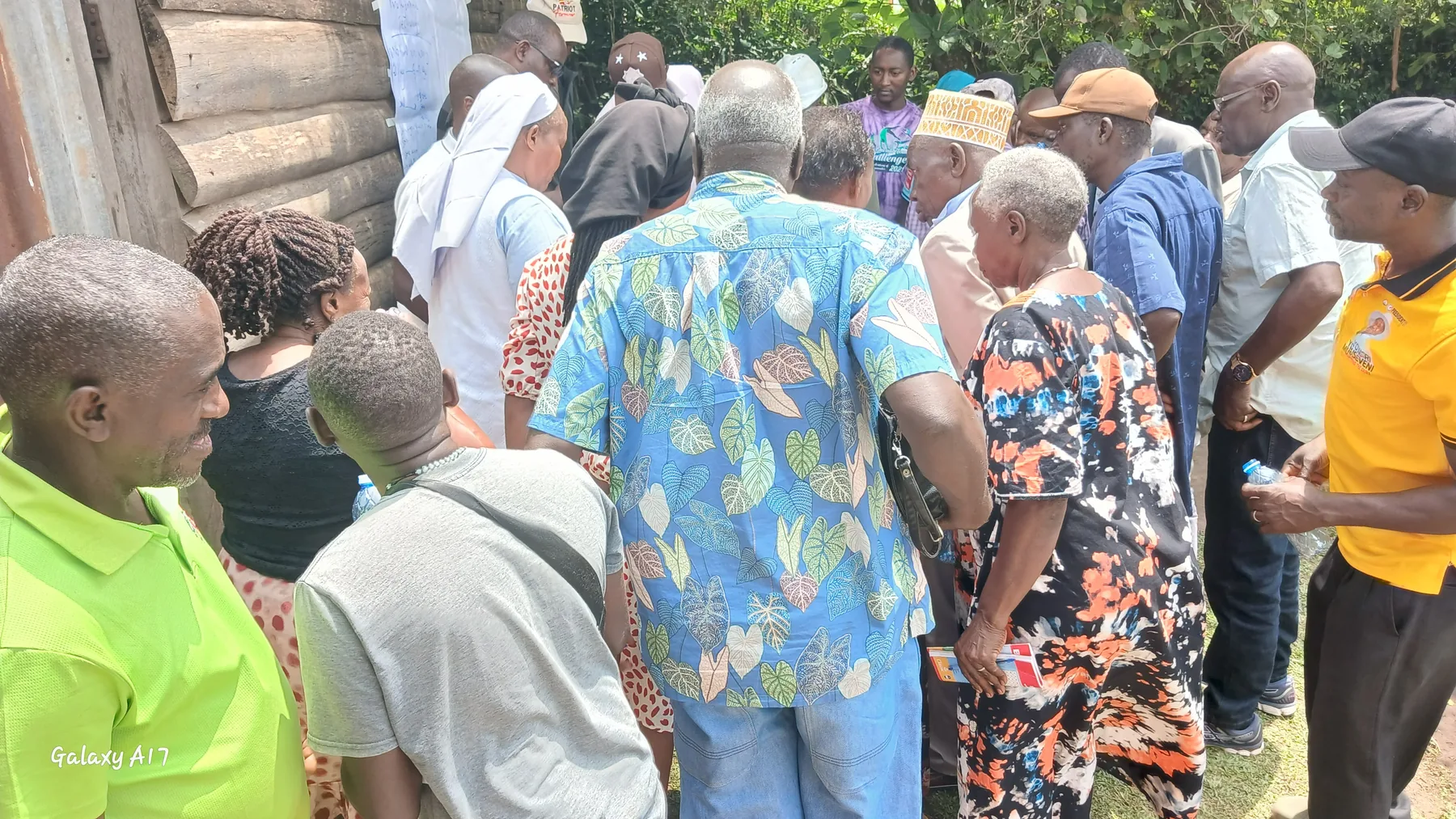
The training introduces hydroponic fodder production and Azolla production as supplementary feed options. Farmers are also encouraged to improve forage conservation, feed handling and storage, and to seek technical guidance when formulating rations for high-producing dairy cows.
On-site visits are conducted to strengthen the relationship between the cooperative and its members while supporting improved farm production and more consistent milk deliveries.
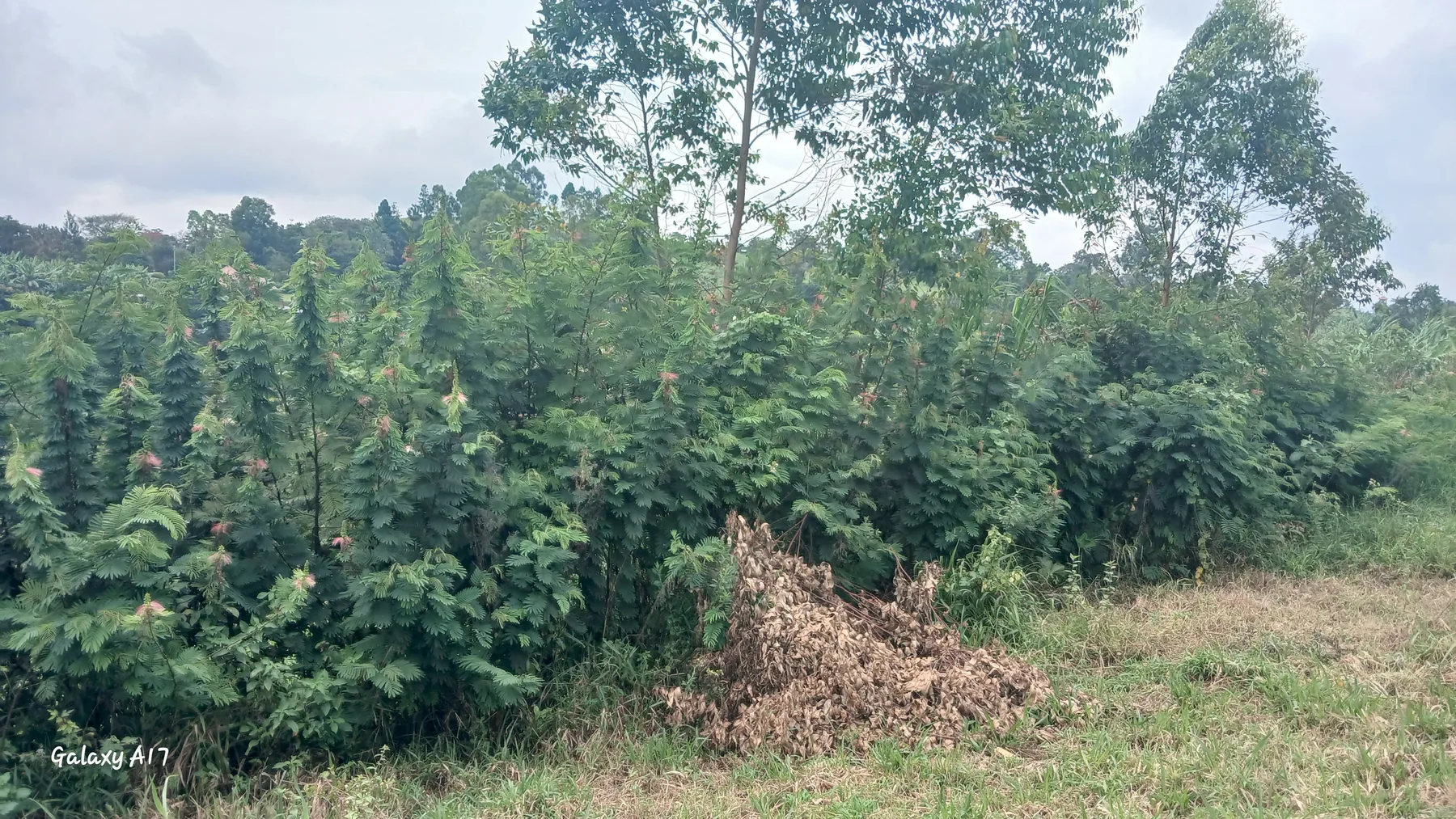
During farm visits, members are registered and profiled, and the cooperative gathers information that can be grouped by categories such as women, men, youth and other relevant criteria.
The visits help strengthen collaboration, trust and farmer engagement in cooperative activities. This stronger participation supports the cooperative's business growth and the efficient delivery of milk to the cooperative.
Photos from the current farmer training sessions and farm-to-farm field activities.
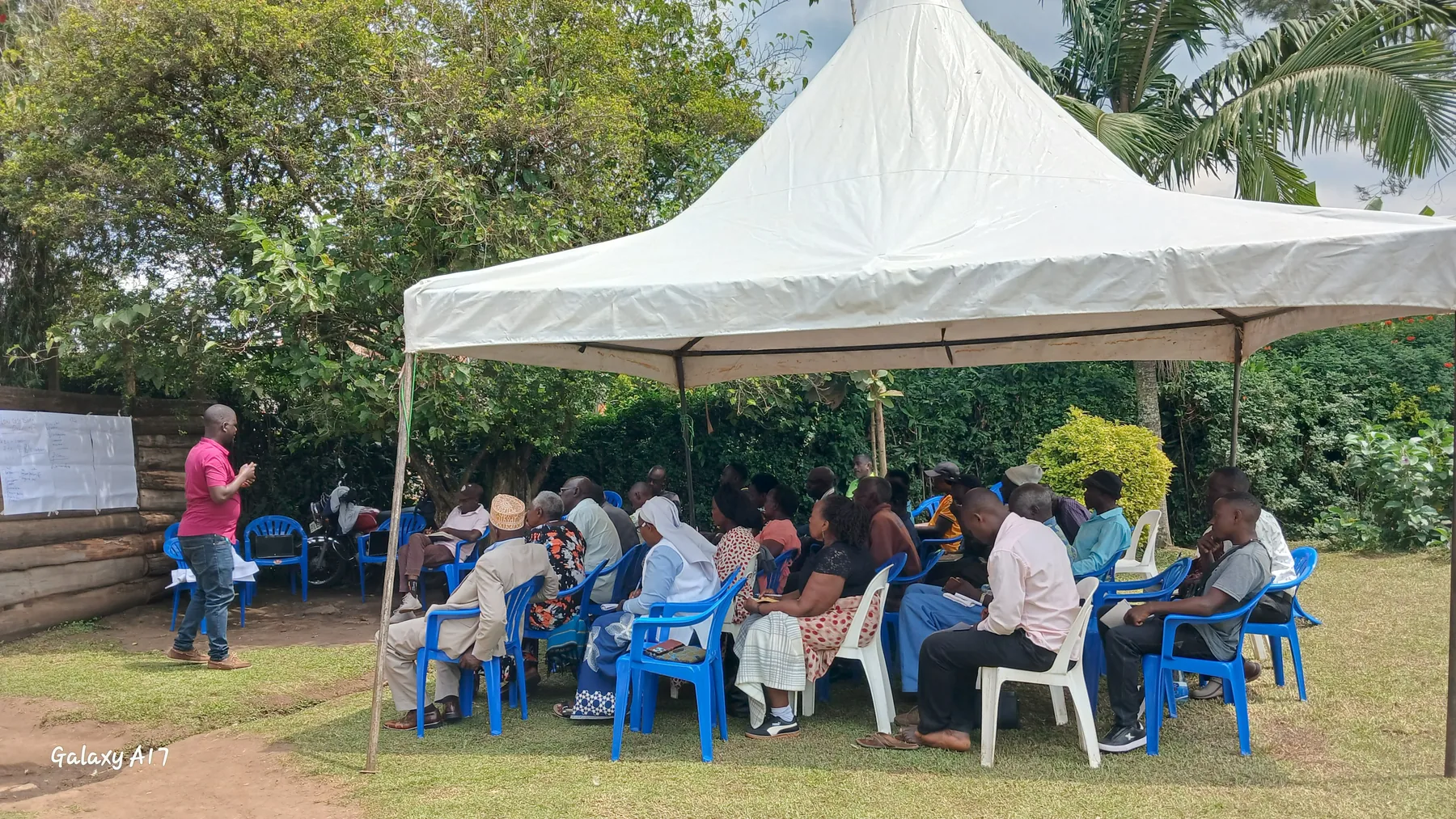
TDC members being trained on low-cost protein sources in dairy production.
Hands-on learning on the preparation and use of Azolla and hydroponic maize fodder.
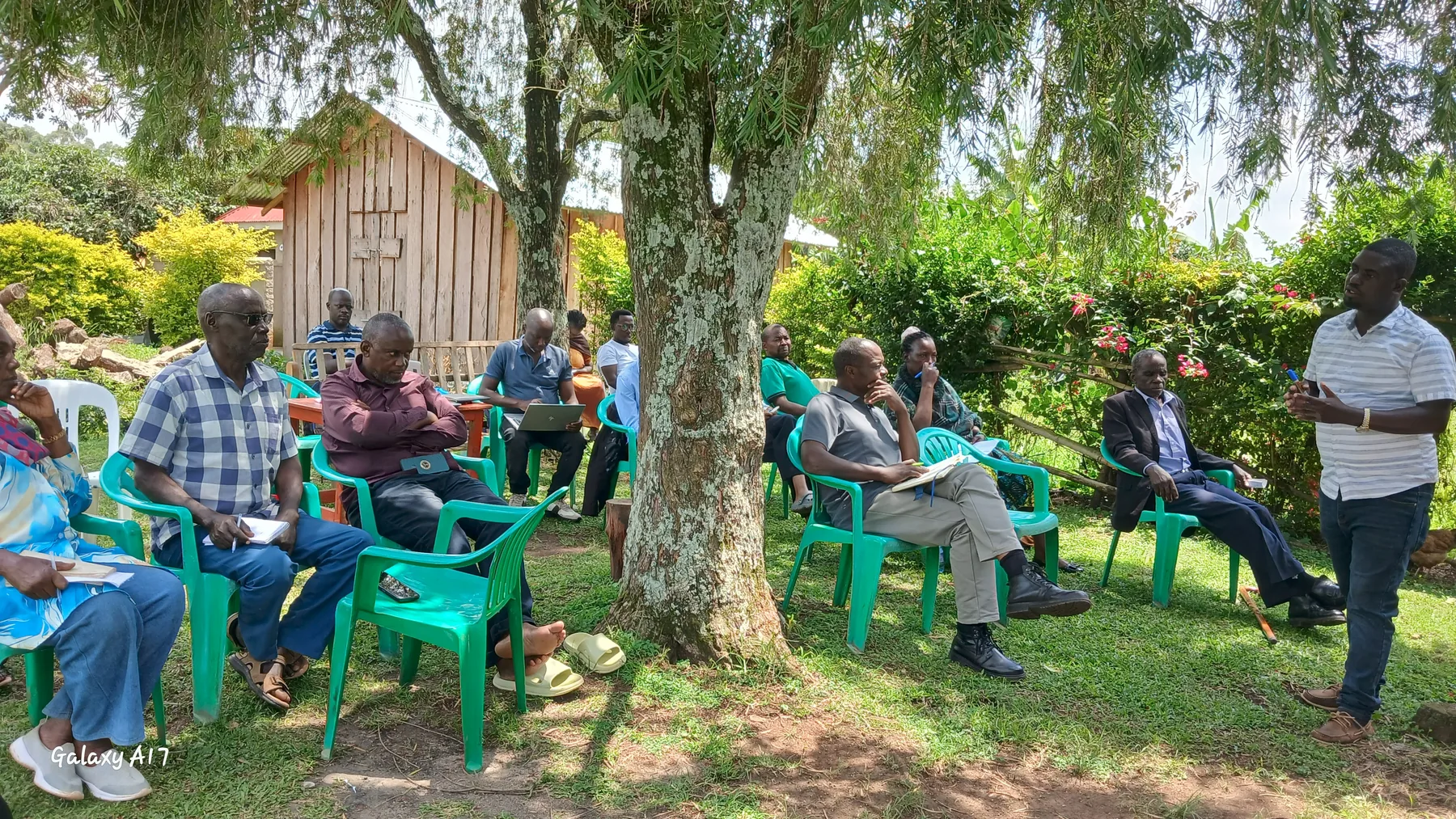
TDC members of Harugongo Cluster during a farmer training session.
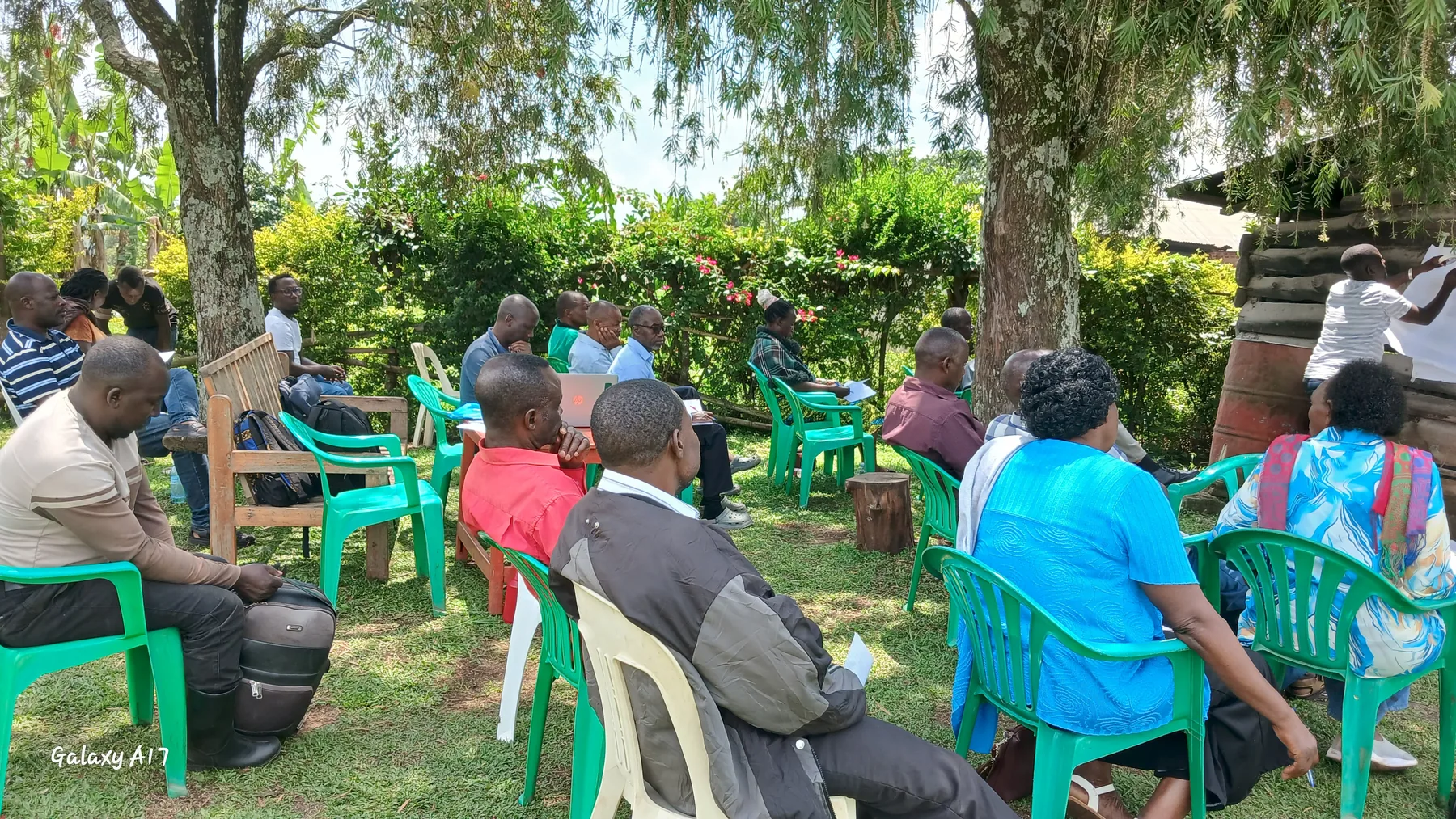
Farmer participation and discussion during the Harugongo Cluster training.
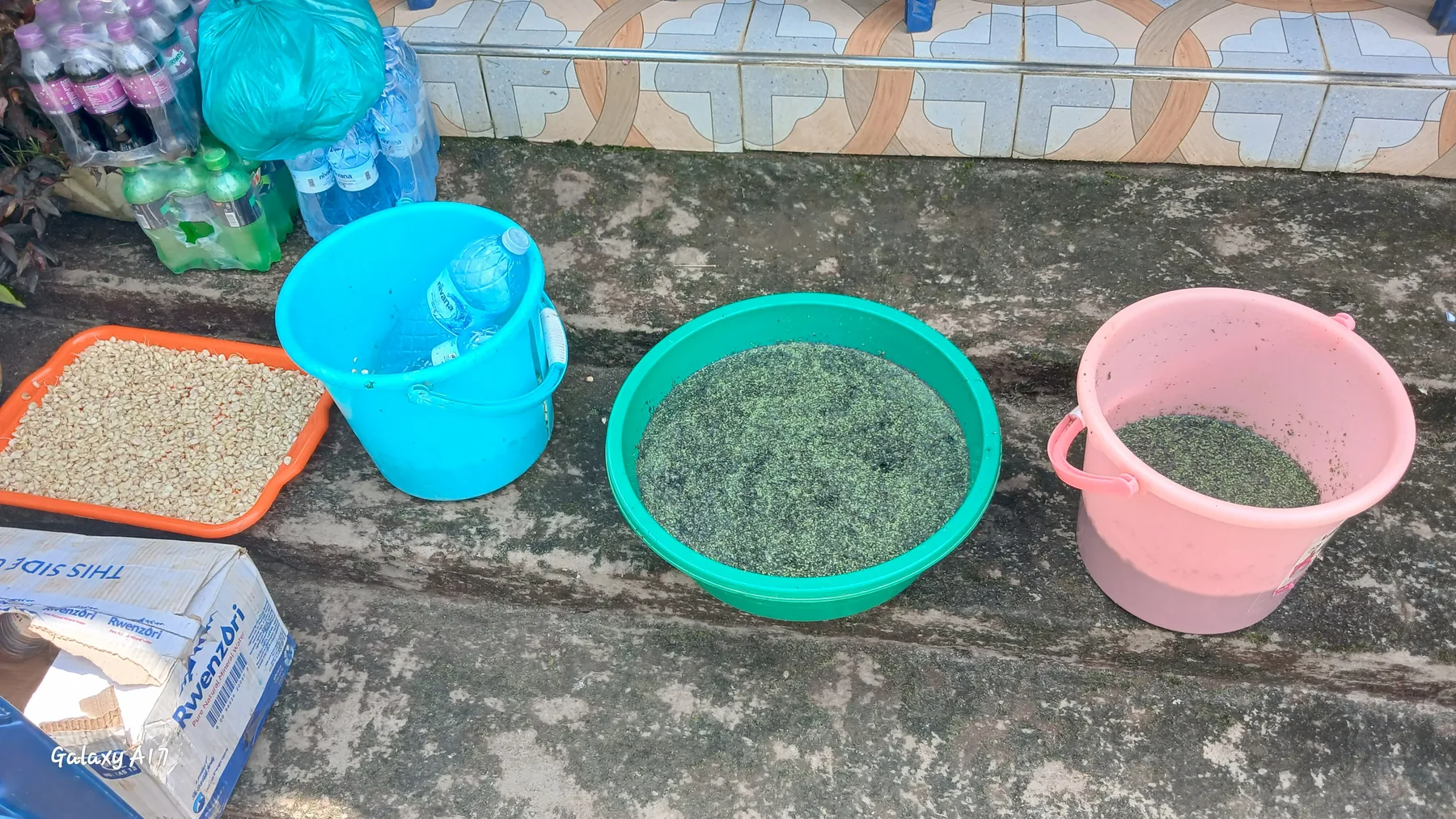
Training samples used for practical learning on Azolla and hydroponic fodder production.
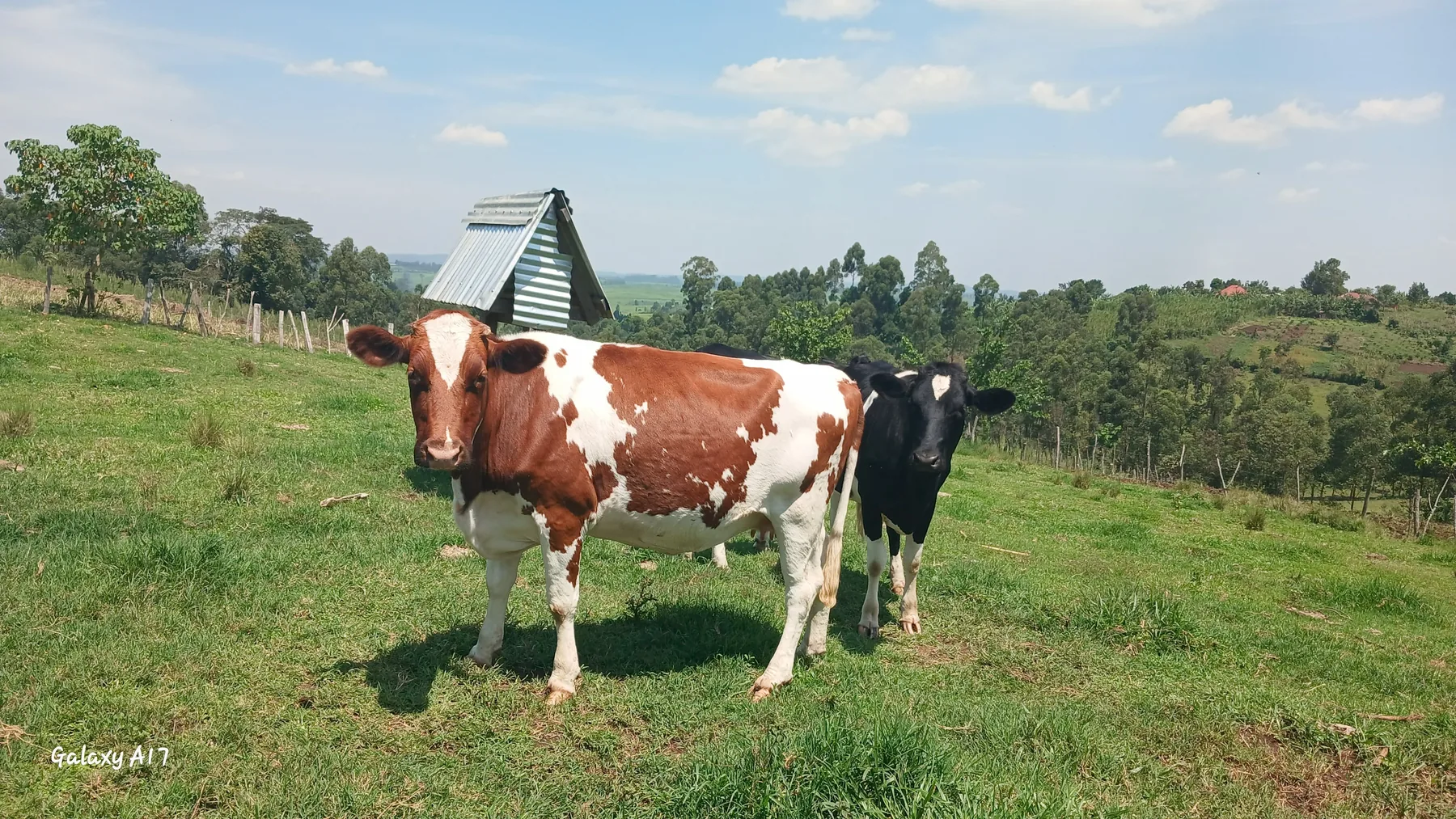
Dairy cattle shown in relation to the adoption of artificial insemination and improved genetics.
Pasture garden observed during farm-to-farm field visits.
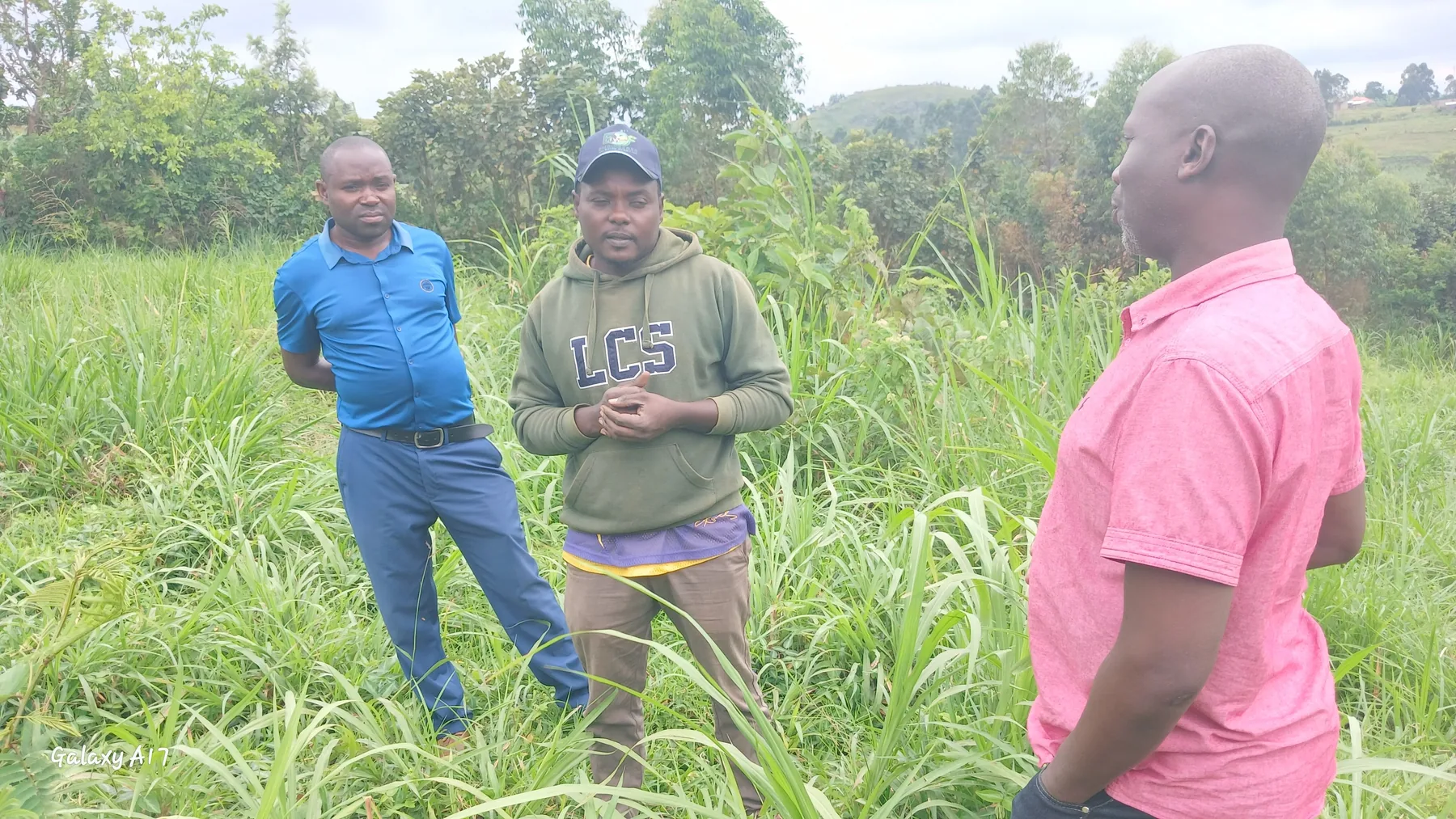
Field discussion during an on-site farm visit.
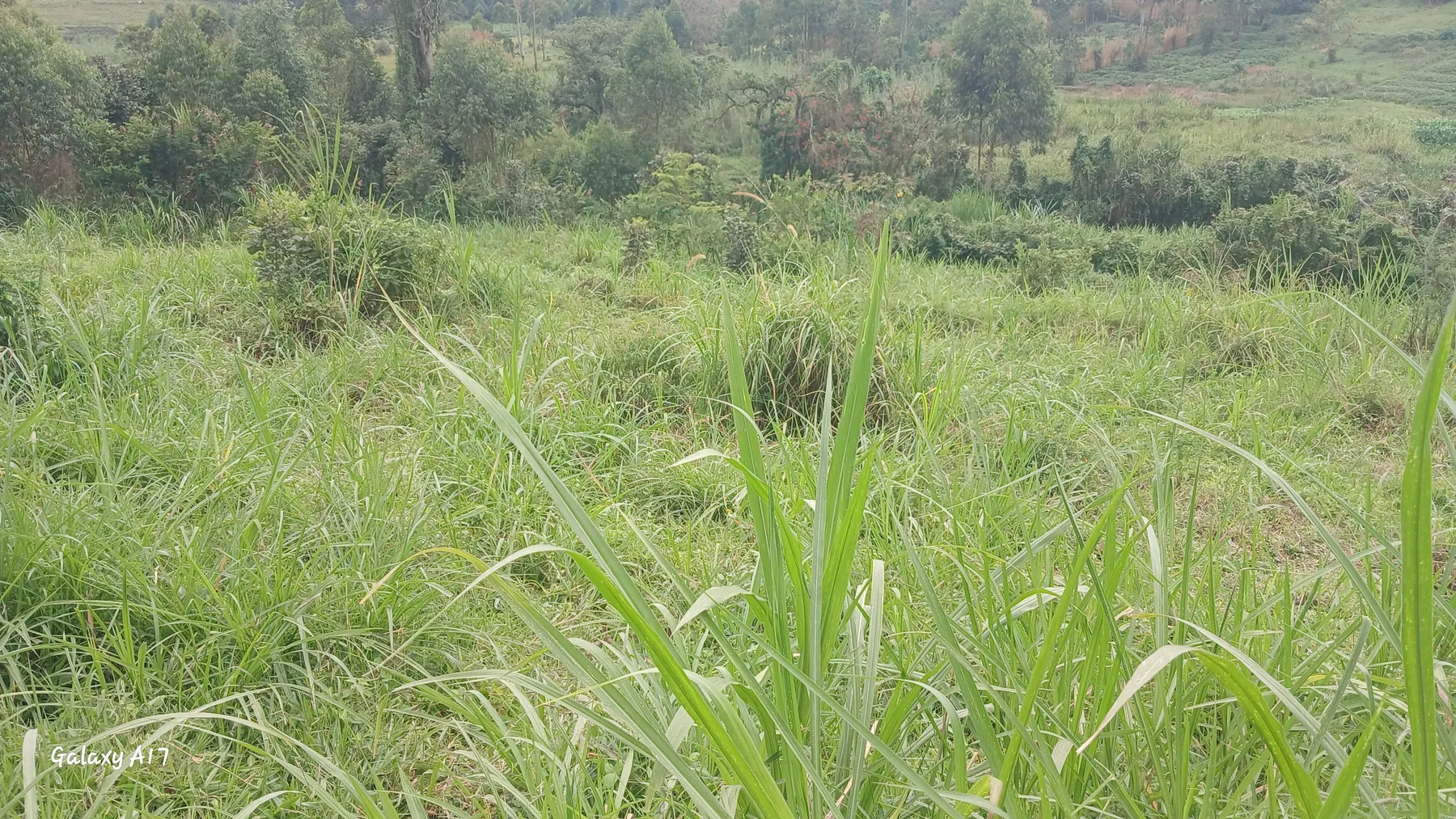
Pasture resources observed during farmer field visits.
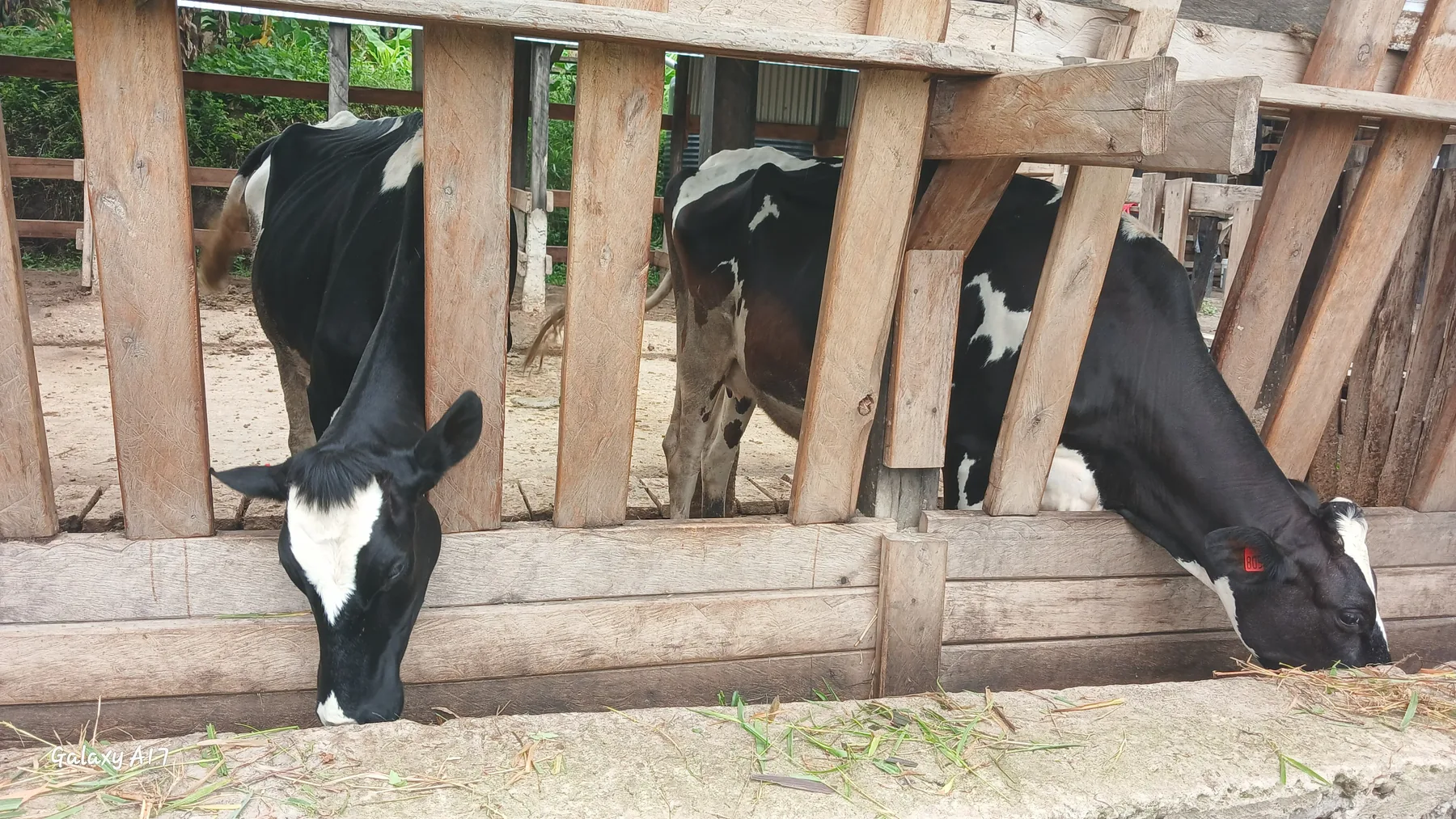
Dairy cattle observed during an on-site farm visit.
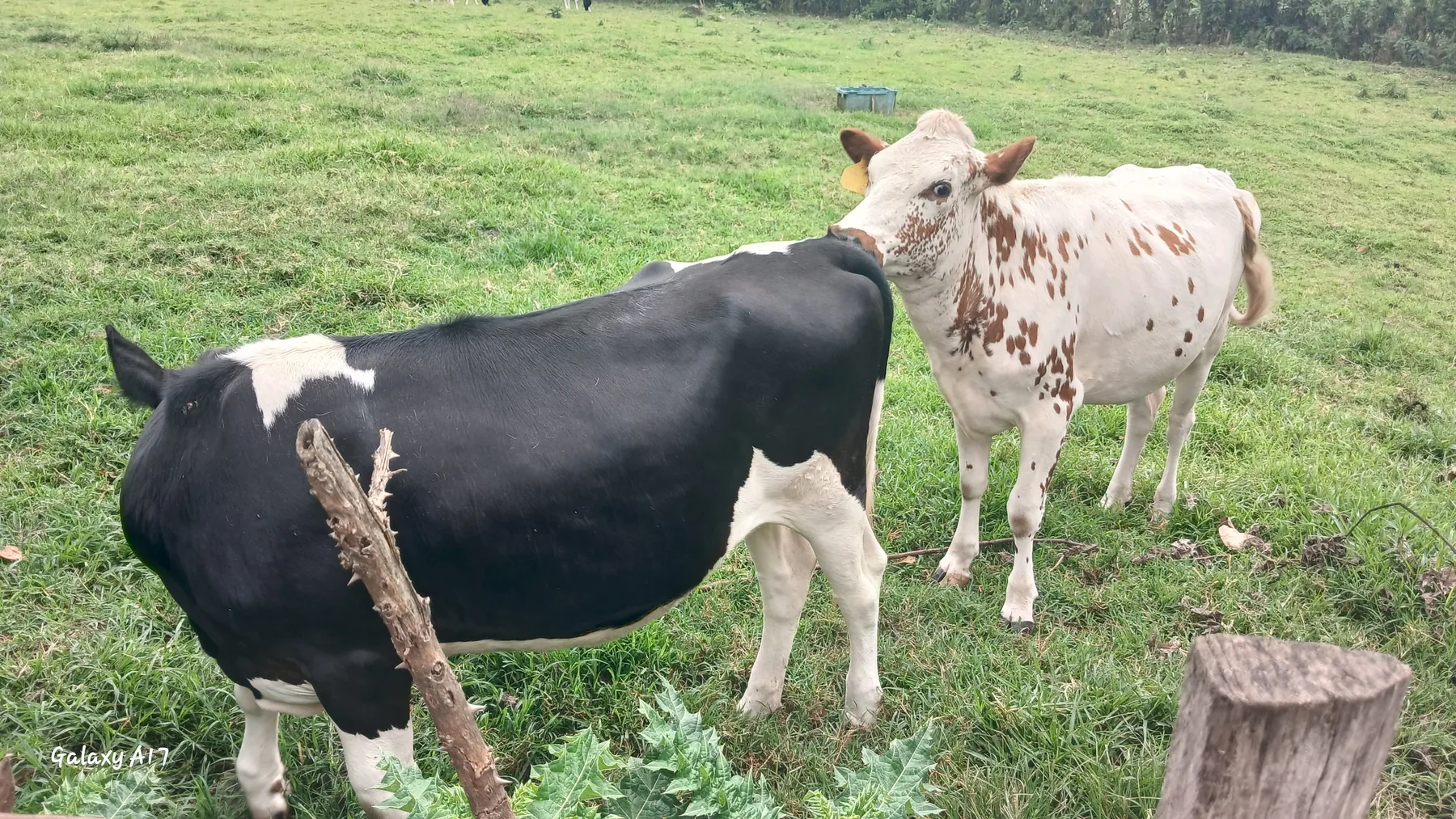
Dairy cattle and farm conditions documented during field visits.
Continued support is important for turning training into practical farm-level results.